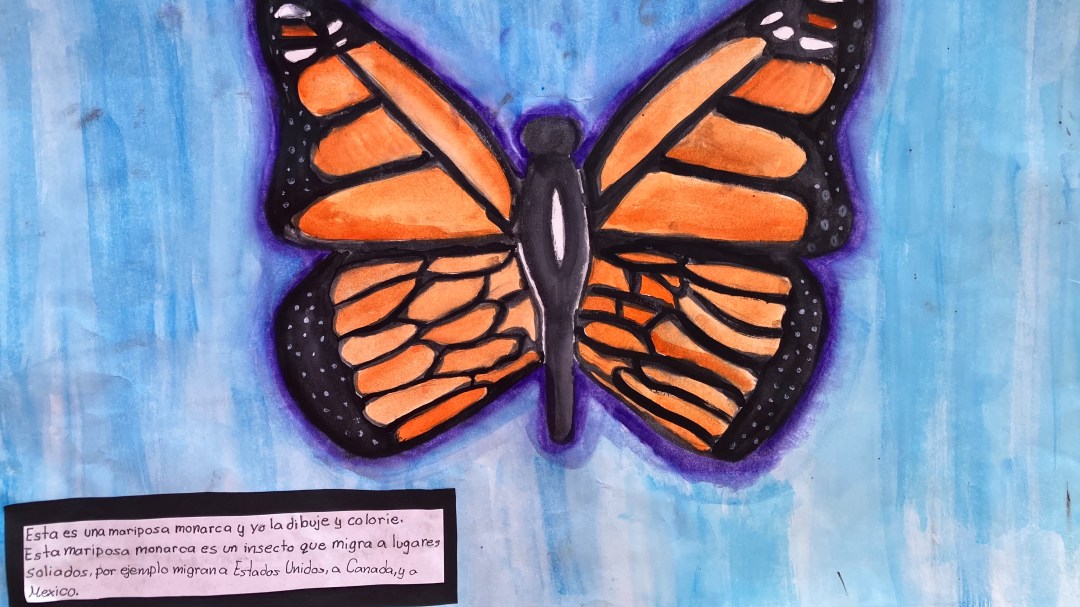
On the eve of an unprecedented (and very, very close) Presidential Election, I ground myself with science, culture, and the monarch butterfly, an organism that is deeply symbolic of both transformation and resilience.
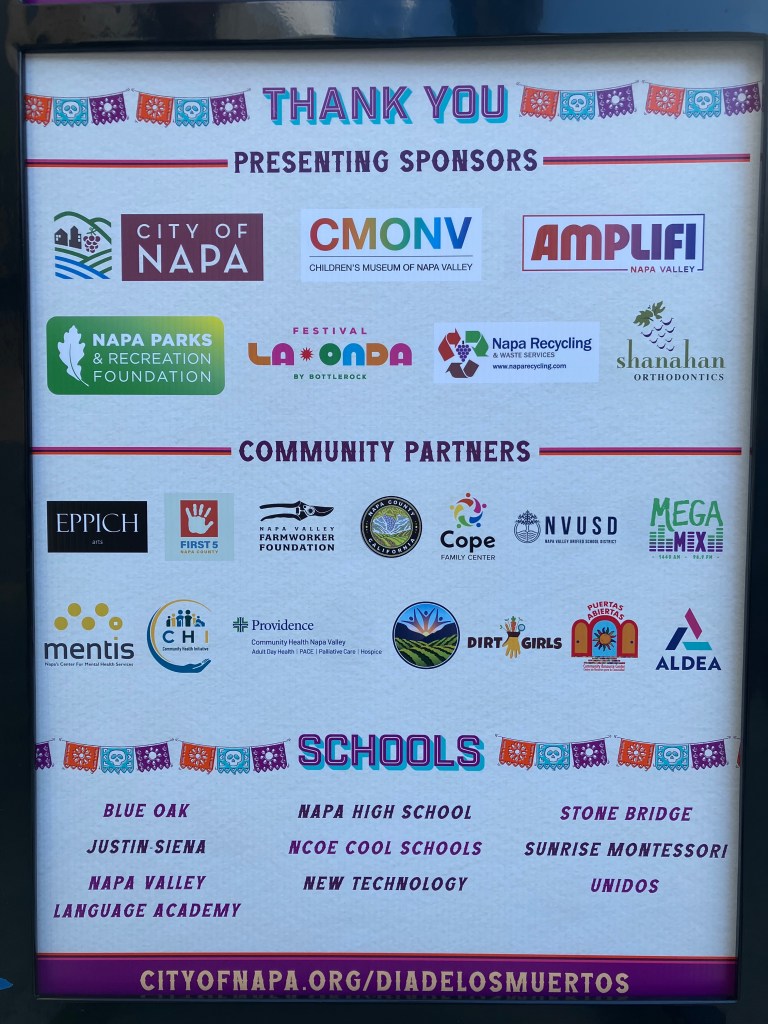
It was a tremendous honor to participate in Napa’s Dia de los Muertos event this past weekend. Held on November 2nd, this family-friendly affair showcased the spirit of Dia de los Muertos and was driven by cultural awareness, understanding, and acceptance. One attendee described it as “very inclusive, festive & reverential.” I couldn’t agree more!
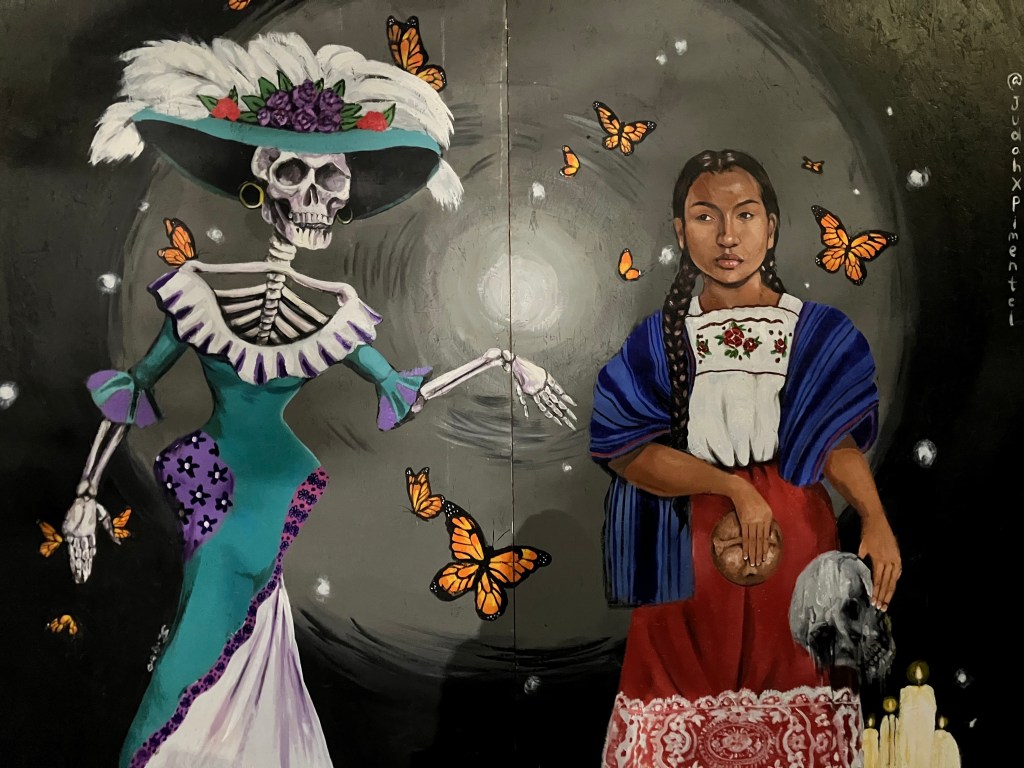
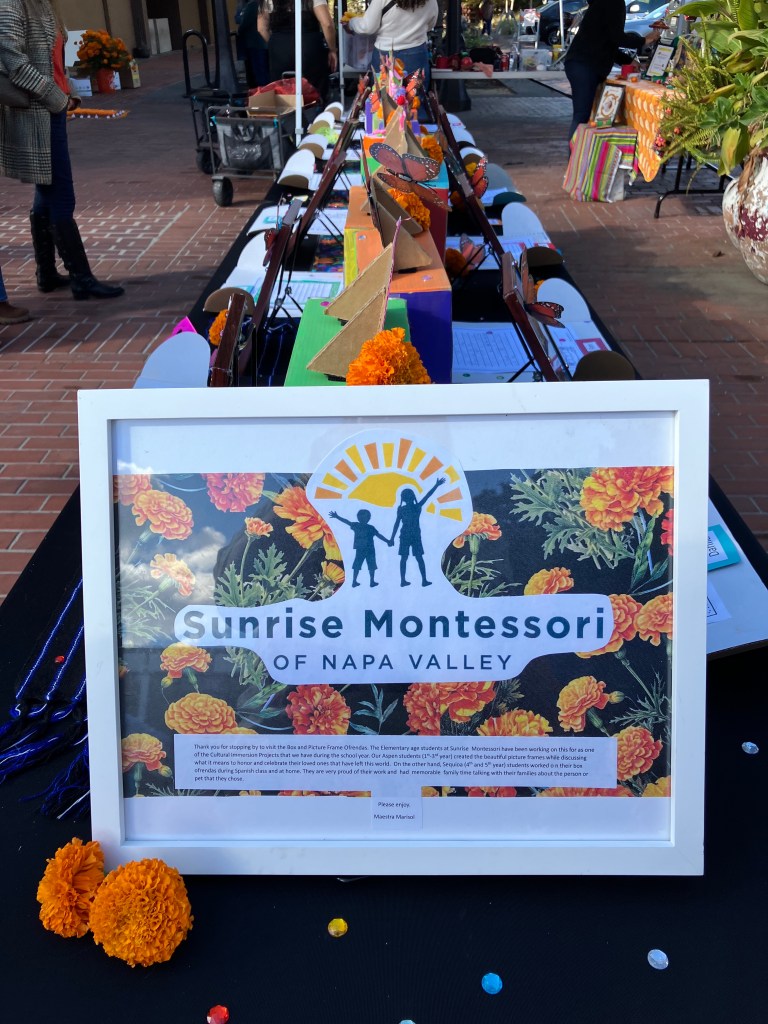

The intent of the downtown Napa event was to create space where our diverse Napa community “feels seen and heard through art, tradition, music, dance, and food.” It was a vibrant celebration of life and remembrance, with altars adorned by local artists, organizations, and schools. Our table was located in the children’s resources and craft area on the Brown Street Corridor. Dirt Girls leaders engaged kids with a monarch painting activity to celebrate the connection between monarch migration and Dia de los Muertos.
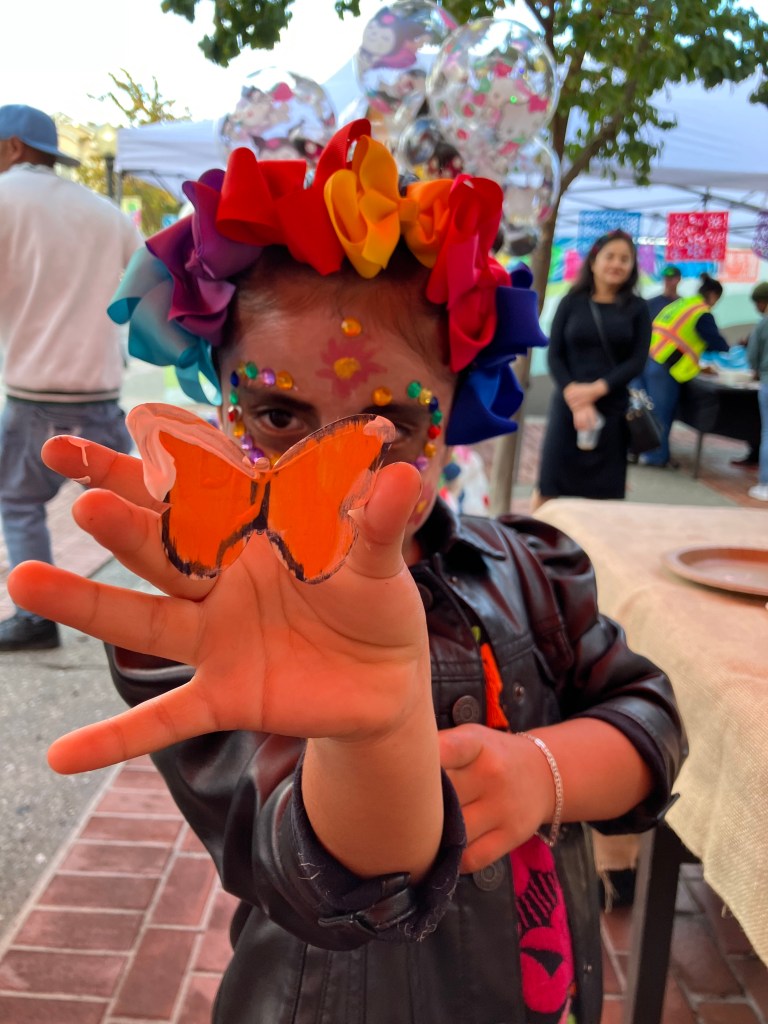
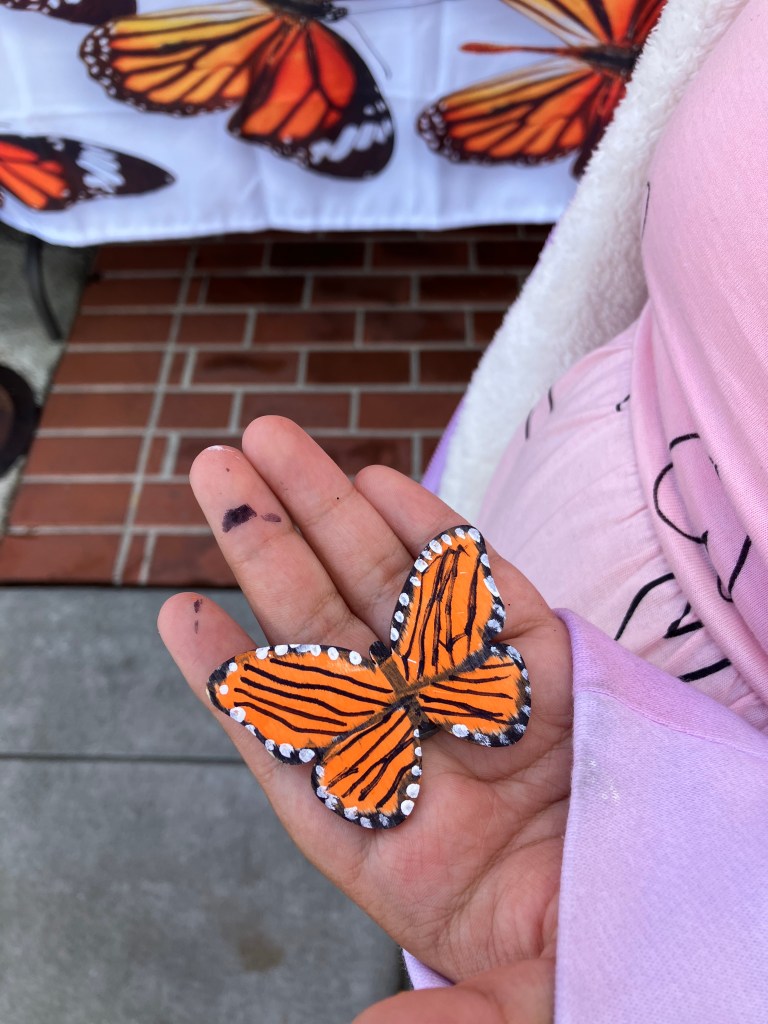
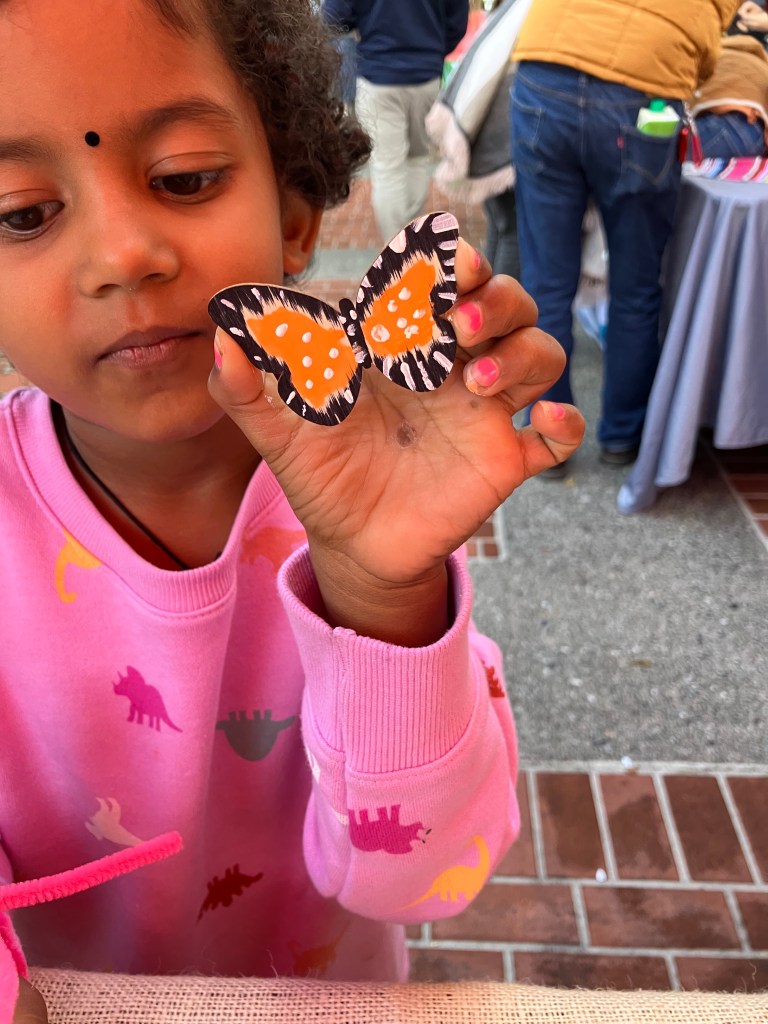
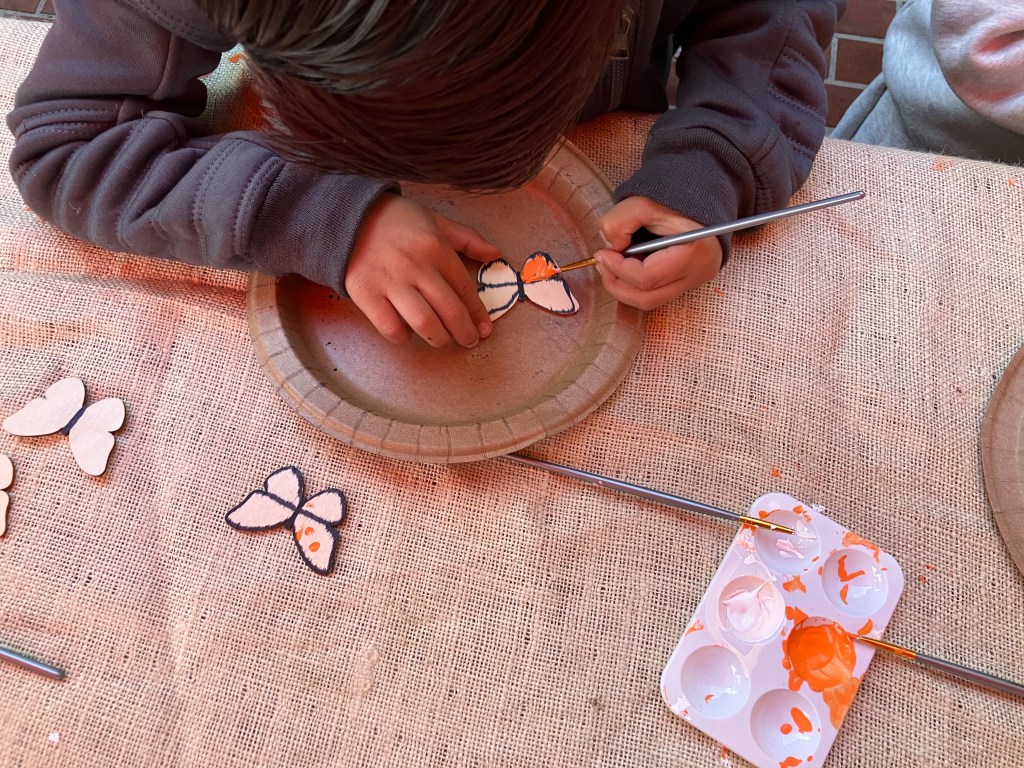
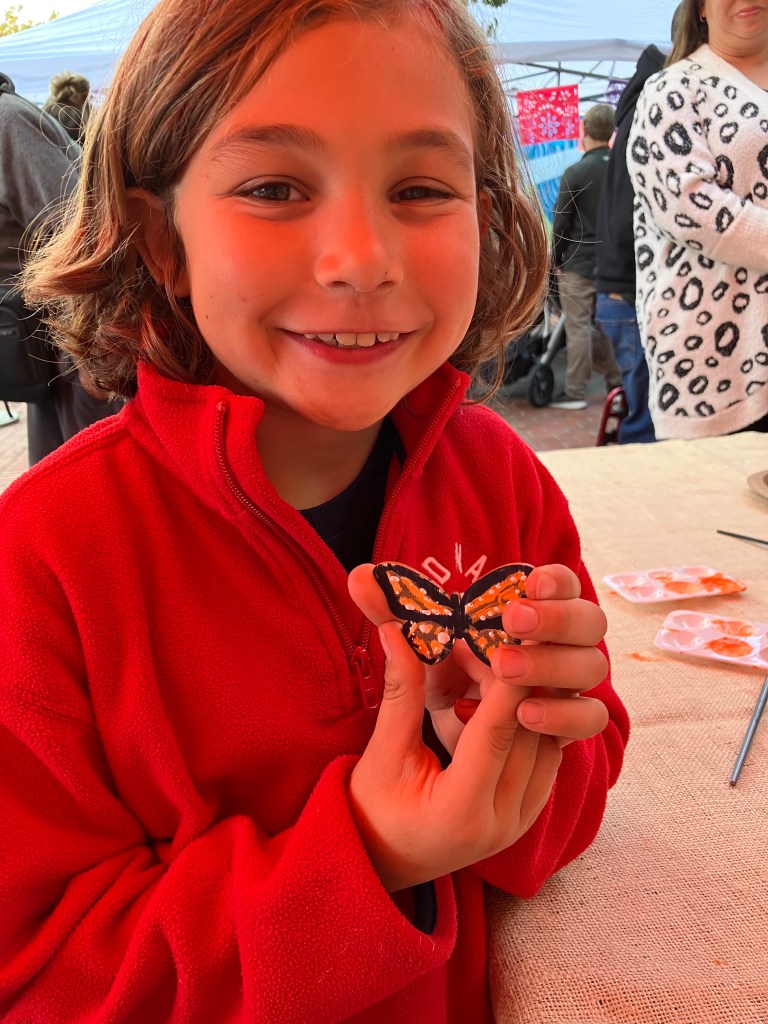
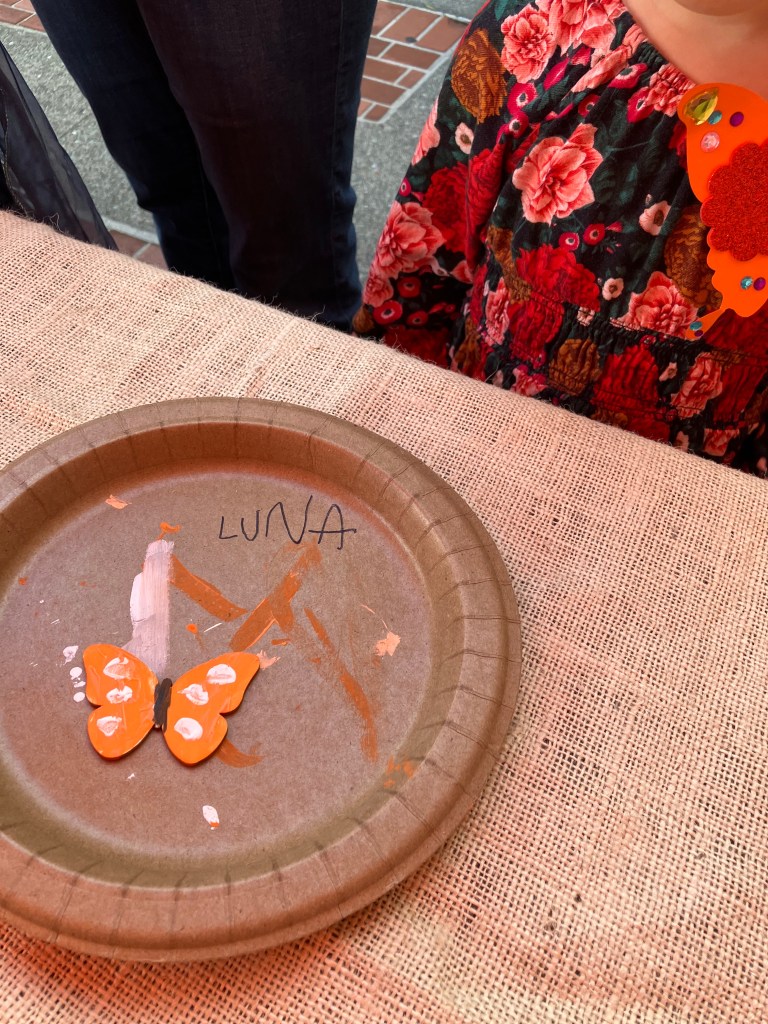
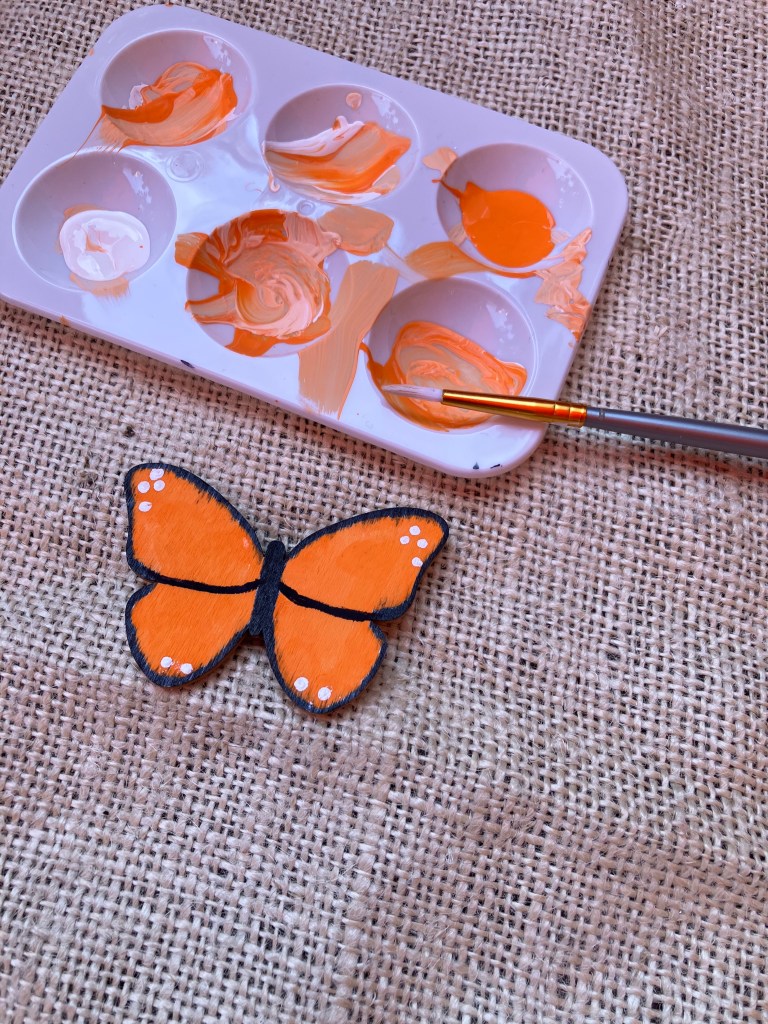
Modern science explains the longitudinal flight path of the eastern monarch population through seasonal temperatures and weather patterns. The butterflies fly north as the temperatures increase in spring and then return south at the end of summer/early fall. However, to the indigenous communities living closest to the oyamel forests of Michoacán, Mexico, the monarch’s annual return coincides with Day of the Dead.
The monarchs are believed to carry the souls of their departed ancestors.
Recently, a group of first-grade teachers I know incorporated this cultural connection into their monarch butterfly science unit. As a team, they decided to teach the unit in November, following Day of the Dead. Previously, they taught the unit in spring.
It’s important that all students see themselves reflected in the curriculum. Nearly two thirds of students in Napa County schools are Hispanic or Latino. Most are Chicano (culturally Mexican) and 95% of English Learners speak Spanish. When we teach in culturally-affirming ways, students can influence the values in the community towards greater inclusivity and cultural relevance. After the Dia de los Muertos event, a former colleague and retired teacher shared with me: “I ran into a student of mine who was a 2nd grader way back when I taught that grade. He works for Napa Parks and Rec now.”
It’s encouraging that a municipal department would include such an important cultural commemoration in its calendar of events. If you didn’t get a chance to attend, save the date for next year so you, too, can celebrate diversity in our community and the beloved monarch butterfly.
Take our survey!
We’re interested in knowing what you want to hear more about and how you are taking action for monarch butterflies. Click here to take our survey.
- Monarch Waystation Planting (in a school garden)
- Classroom Presentations (for 1st or 2nd Grade Teachers/Students)
- Professional Learning Opportunity (Teacher Workshop)
- Western Monarch Count (November – January) Community Science
- Field Trip to Monarch Overwintering Site on Mare Island
- Community Events (like the UC MG Fall Faire, City of Napa Dia de los Muertos, etc.)
- Monarch Book Club (Title: Bicycling with Butterflies)
Discover more from
Subscribe to get the latest posts sent to your email.

 schoolgardendoctor.org
One thought on “What is Dia de los Muertos and how does it connect to monarch butterflies?”